Skip to Content
The Southeastern Wisconsin Regional Planning Commission Logo
Main Content

Community Engagement

Community engagement is an important part of our planning process. Our commitment is to engage residents and encourage people of all ages and backgrounds to participate in planning for Southeastern Wisconsin’s future.

Our Approach

Planning for the Region’s future cannot be done well without working together. The Region’s needs require a multi-county planning effort enriched through the participation of many people.

This page highlights the Commission’s efforts to engage residents and identifies ways to provide input to planning studies underway. Our Community Engagement Plan identifies our outreach approach and Community Engagement staff lead efforts to engage and involve residents in the planning process.


Community Engagement Plan 

The Community Engagement Plan for the Commission guides Commissioners, agency staff, and advisory committee members in engaging constituents to enrich regional planning. The plan outlines the methods, timelines, and processes for communication and engagement in our planning efforts, including those required by federal transportation planning regulations.
 

Community Engagement Plan


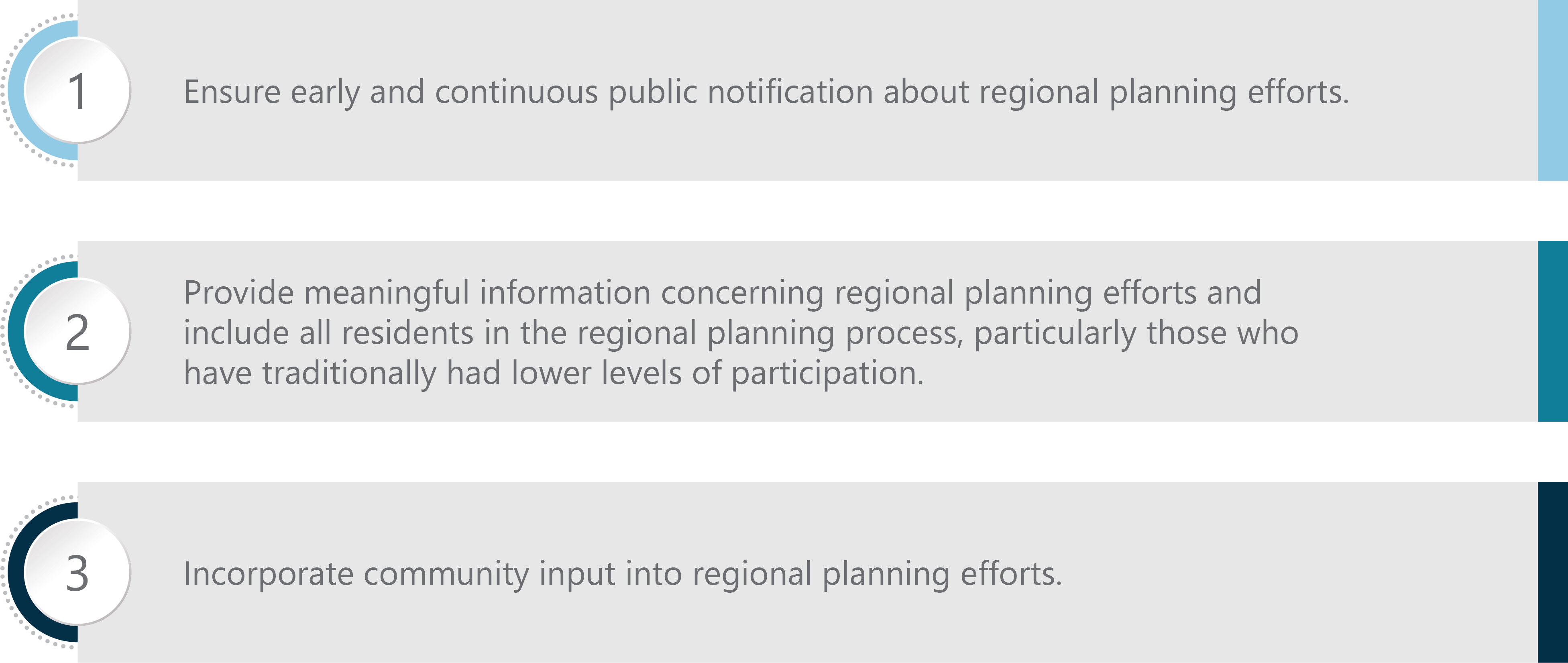
Community engagement is an important part of our planning process. Our regional planning work relies on effective community engagement, and the Community Engagement Plan serves as a guide for meeting these three goals:


Graphic showing the Southeastern Wisconsin Regional Planning Commission’s goals for community engagement and public participation including: ensuring early and continuous notification about regional planning efforts; providing meaningful information about planning efforts and including all residents in the regional planning process; and incorporating community input into regional planning efforts.


As the official Metropolitan Planning Organization (MPO) for transportation planning for Southeastern Wisconsin, the Commission has to meet specific federal public participation requirements related to transportation planning and programming. The Community Engagement Plan documents the Commission’s MPO-required public participation process and outreach requirements.


Community Partners

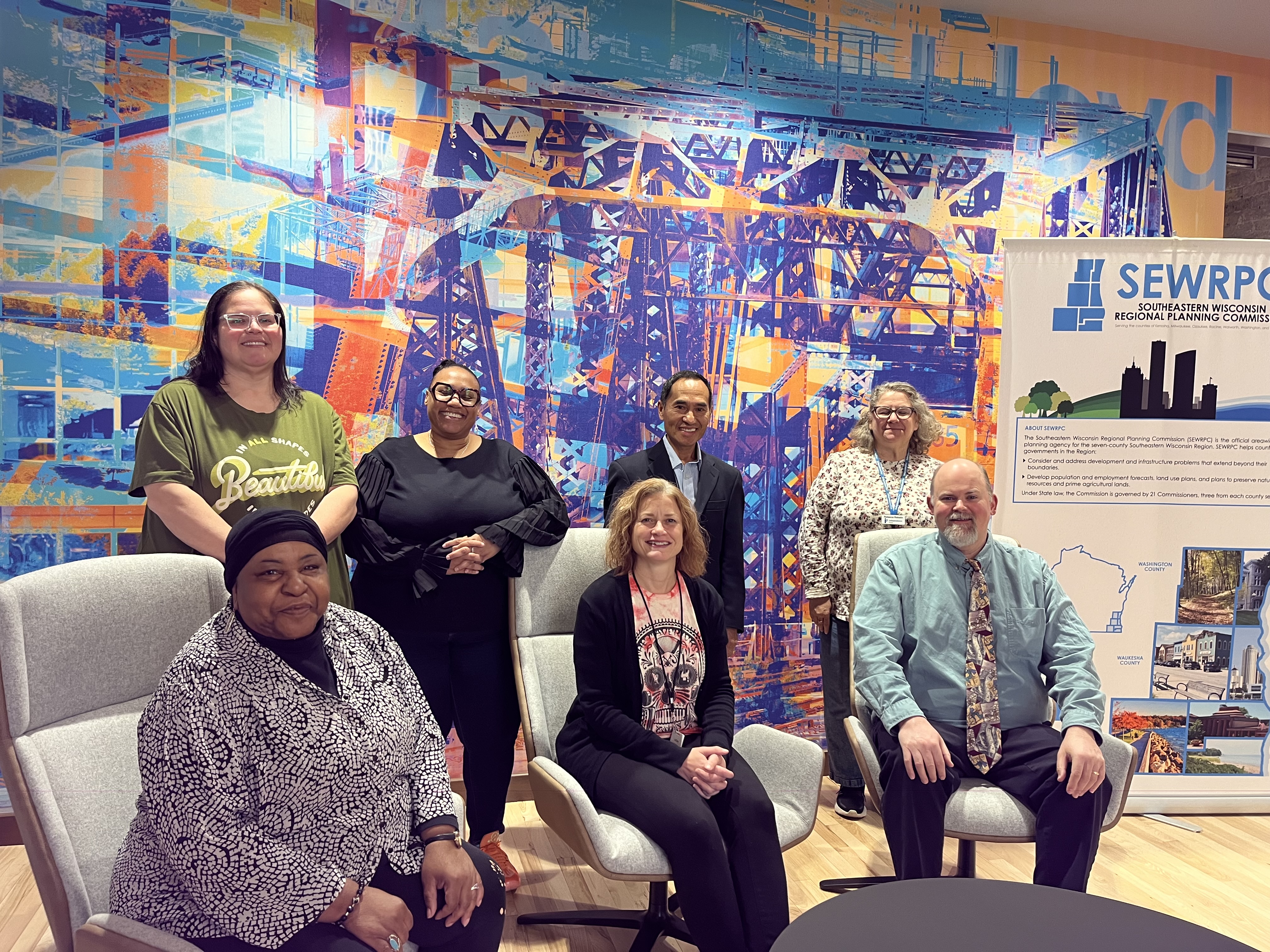
Since 2013, our staff has developed a strong partnership with nine community organizations, referred to as Community Partners, representing groups that have traditionally been underrepresented—in particular, people of color, people with disabilities, and low-income residents. The Community Partners play a valuable role in the Commission’s community engagement, including providing input and feedback on outreach plans, hosting or co-organizing presentations about relevant Commission planning efforts or projects, and sharing information with their stakeholders through social media or newsletters.


Community Partners sitting and standing for a group picture at an event

The nine Community Partners include:

  • Common Ground (not shown in photo)
  • Ethnic and Diverse Business Coalition
  • Hmong American Friendship Association
  • Independence First
  • Greater Milwaukee Urban League (not shown in photo)
  • Renew Environmental Public Health Advocates
  • Southside Organizing Center
  • Urban Economic Development Association of Wisconsin
  • Urban League of Racine and Kenosha (not shown in photo)
 

How We Engage Residents

The Commission recognizes that providing meaningful opportunities for community participation is key to an informed planning process. We strive to ensure transparency and encourage participation from all community members, as described in our Community Engagement Plan’s blueprint for community engagement. We have multiple engagement methods we may use to obtain participation and input on planning efforts, including one-on-one and public meetings, presentations, surveys, newsletters, social media, and our website.

Engaging traditionally underrepresented population groups is a particular focus. The Commission’s Community Engagement & Benefits Task Force and advisory committees guiding each planning effort frequently provide important suggestions for these processes. We also directly engage and provide updates to more than 70 Primary Organizations serving specific population subgroups, including the Commission's Community Partners.


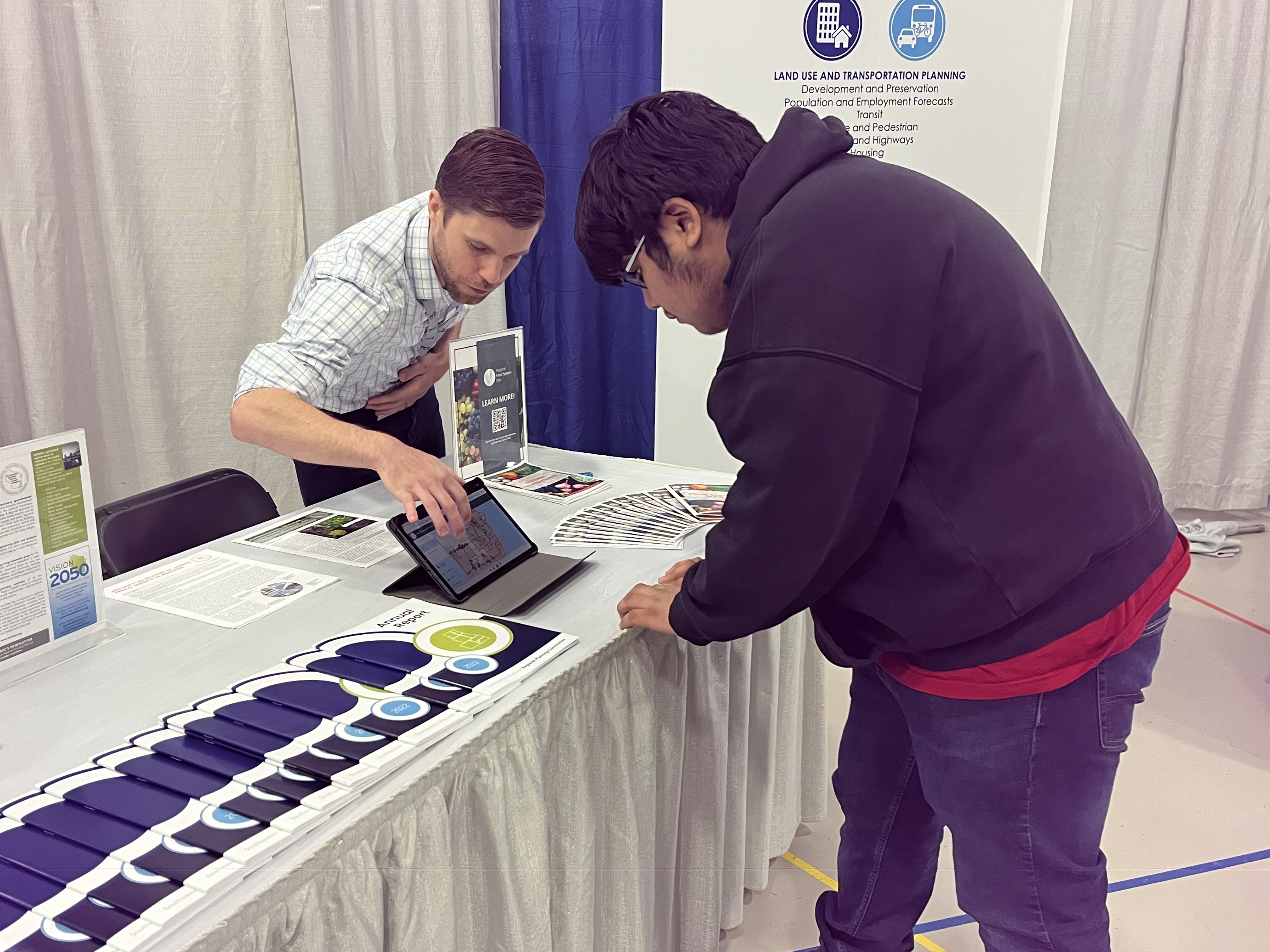
Commission staff person working with a student at an event

Education and Presentations

The Commission also helps to educate elected officials, local government staff, and residents on a variety of matters related to regional planning efforts and implementation. Staff will present at government meetings, local events, community meetings, classrooms, or to any group of interested individuals. Contact us to schedule a presentation or briefing on any of our efforts!